Dubai’s Foremost Eco-Minded Interior Studios
Eco-conscious design has shifted from marketing spin to a genuine design imperative in Dubai, and 2026 represents a pivotal year for this transition. Together, the UAE Net Zero 2050 plan and Dubai Municipality’s 2026 fit-out rules are moving the sector toward greener materials, healthier interiors and more efficient buildings. For owners and businesses, sustainable interior design now promises real payoffs, including lower operating costs, improved indoor air quality, and future-proofing against tightening regulation. This piece showcases the companies and approaches driving that transition, starting with Dubai’s most established green specialist. It also breaks down the 2026 eco movements remaking the market and the regulations you ought to understand before you build. Every cost figure here is a market-level ballpark rather than a quotation, and no certification is attributed to any firm beyond what is publicly established.
Summertown Interiors: Dubai’s LEED-Focused Trailblazer
In Dubai, Summertown Interiors is the natural place to start any conversation about sustainable interiors. The firm focuses on office, corporate, and commercial fit-out with a deliberate focus on sustainability and LEED-certified, healthier workplaces. That positioning matters because commercial interiors are where energy use, indoor air quality, and material choices have the biggest measurable impact. LEED, the internationally recognised green-building standard, confirms performance across energy, water, materials, and occupant wellbeing rather than relying on marketing claims. For businesses that want their workplace to embody real environmental commitment, a specialist with this focus is a sensible first call. As commercial fit-outs are reckoned at roughly AED 220 to 650 per square foot in 2026, sustainable specifications typically land in the upper half of that range, though lower running costs can recoup the premium over time.
The 2026 Sustainable Design Trends Reshaping Dubai
Several notable trends are defining sustainable interiors across Dubai in 2026, and understanding them helps you brief a studio well. Increasingly, the market is moving past token gestures toward measurable performance, healthier materials and smarter building systems. These trends overlap, so a well-designed project usually weaves together several at once rather than treating them in isolation. They sit squarely within the UAE Net Zero 2050 strategy and Dubai Municipality’s 2026 fit-out direction, which increasingly favours efficient, low-carbon design. The three movements below are the ones owners enquire https://www.topinteriordesigncompanyindubai.com/ about most frequently this year. Each delivers both an environmental benefit and a tangible improvement in comfort or cost.
Biophilic Design and Wellness
Biophilic design connects interiors to nature, and it has become one of the standout wellness trends of 2026. In practical terms, that means plenty of natural light, indoor planting, natural textures and layouts that improve air quality and mental wellbeing. Research reliably links these features to lower stress, better focus, and higher satisfaction in both homes and workplaces. Given Dubai’s climate, biophilic schemes are carefully engineered so that greenery and daylight enhance comfort without inflating cooling loads. The approach pairs seamlessly with sustainable materials and efficient building systems for a coherent, health-led result. For deeper background on the movement, the Design Middle East overview of 2026 biophilic trends is a useful reference.
Warm Minimalism and Eco-Materials
Material choices are where sustainable intent becomes concrete, and 2026 favours low-impact, tactile finishes. Designers increasingly specify low-VOC paints, recycled and reclaimed elements, responsibly sourced timber, and locally produced joinery to cut embodied carbon. It chimes with the warm-minimalism look now popular across Dubai, one that celebrates natural stone, wood and honest textures over synthetic excess. Locally manufactured joinery is doubly valuable, since it lowers transport emissions while supporting regional supply chains. Choosing fewer, better materials also means less waste and simpler maintenance across a building’s life. Opting for eco-materials seldom means sacrificing luxury, since the quiet, understated palette is firmly in demand this year.
Smart-MEP and Energy Efficiency
Mechanical, electrical and plumbing systems, collectively known as MEP, are where a building either saves or wastes energy every single day. Smart-MEP integration marries efficient HVAC, intelligent lighting controls and sensor-driven automation to cut consumption without sacrificing comfort. Because cooling drives energy use in Dubai’s climate, efficient systems deliver the largest and most reliable savings of any single measure. Automated lighting and climate zoning ensure energy is used only where and when it is truly needed. These systems also generate performance data, letting owners monitor and continually improve efficiency after handover. On any serious sustainable project, smart-MEP is no longer optional but a core part of the specification.
Other Firms Moving Toward Greener Fit-Outs
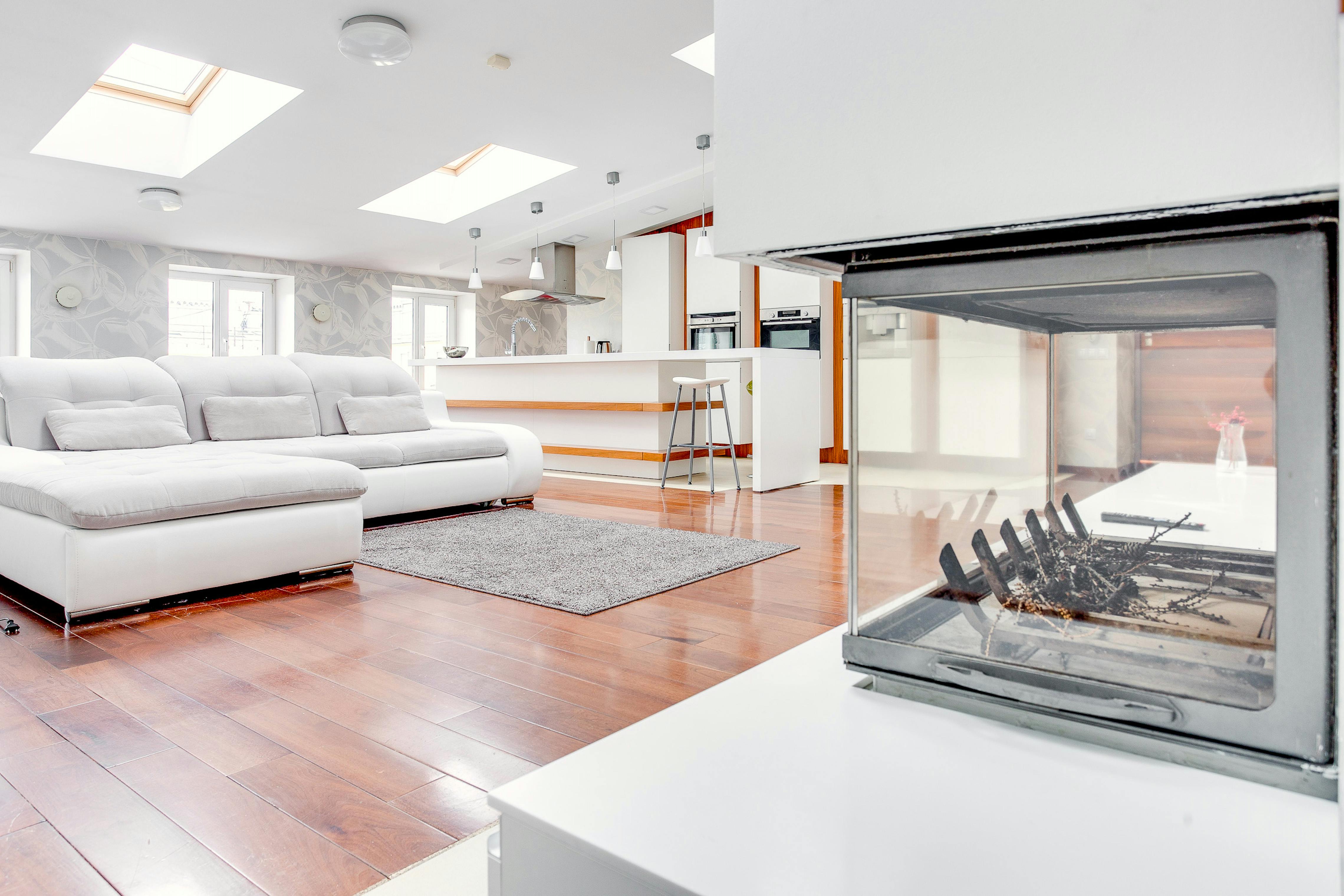
Beyond dedicated green specialists, several established Dubai firms are equipped to deliver sustainable fit-outs when clients request them. It rests on capability and structure rather than any particular certification, which owners should always verify directly. Depa, one of the region’s largest interior contractors since 1996, has the scale and procurement reach to apply responsible sourcing on major projects. Bond Interiors, active since 1986 and running in-house joinery manufacturing in Dubai Industrial City, can trim supply chains and cut transport-related emissions on custom work. Swiss Bureau Interior Design, a design-and-build specialist established in 2003, offers integrated delivery that makes coordinating efficient systems more straightforward. If you engage any of these firms for a green brief, ask clearly how they will reach your sustainability targets and put the outcome in writing.
Understanding Green Regulations in 2026
Regulation is fast becoming a central driver of sustainable design, and 2026 brings sharper expectations. The UAE Net Zero 2050 strategy sets the national direction for the long term, while Dubai Municipality continues to update fit-out guidelines that favour efficient, lower-carbon interiors. As with any project, work can begin only after a No Objection Certificate and a fit-out permit are obtained from the relevant authority. Dubai Municipality governs most areas, with the Dubai Development Authority or Trakhees covering specific communities and free zones, and these approvals commonly take about 3 to 10 working days. A studio well versed in current requirements can help align your design to emerging standards rather than retrofitting compliance later. Before finalising your specification, you can review official guidance directly on the Dubai Municipality portal.
Weighing Up Sustainable Design Approaches
Sustainable interiors blend several approaches, and it helps to see how each feeds into the whole. The table below sets out the main strategies, what they involve, and why they matter in 2026. None of these approaches works in isolation, and the strongest projects layer them together for compounding benefit. The figures and outcomes shown are broad market observations, not guarantees for any one project. Use the table to rank the measures that matter most for your building type and budget. Then brief your chosen studio clearly so the design delivers the outcomes you value.
| Strategy | What It Entails | 2026 Relevance |
|---|---|---|
| LEED / green certification | Independently verified energy, water, materials, air quality | Aligns with UAE Net Zero 2050 |
| Biophilic design | Natural light, planting, natural materials | Boosts wellness and reduces energy demand |
| Low-impact materials | Low-VOC, recycled and locally sourced finishes | Reduces embodied carbon and waste |
| Smart-MEP | Efficient HVAC plus lighting controls | Reduces everyday operational energy |
| In-house manufacturing | Local joinery, shorter supply chain | Reduces transport emissions |
Choosing a Sustainable Design Partner
Choosing the right sustainable partner hinges on evidence, specialism and clear communication. Start with firms whose sustainability focus is real and proven, such as Summertown Interiors for LEED-oriented commercial work. Ask any studio to spell out, in concrete terms, how it will reach your environmental targets across materials, energy and indoor air quality. Request documentation instead of accepting broad green claims, and confirm which certifications, if any, genuinely apply to your project. Set the modest upfront premium against long-term savings in energy, maintenance, and occupant wellbeing, which often justify the investment. Pick the partner who treats sustainability as measurable engineering rather than decoration, and your interior will deliver for years to come.
Deixe um comentário